marina
herlop
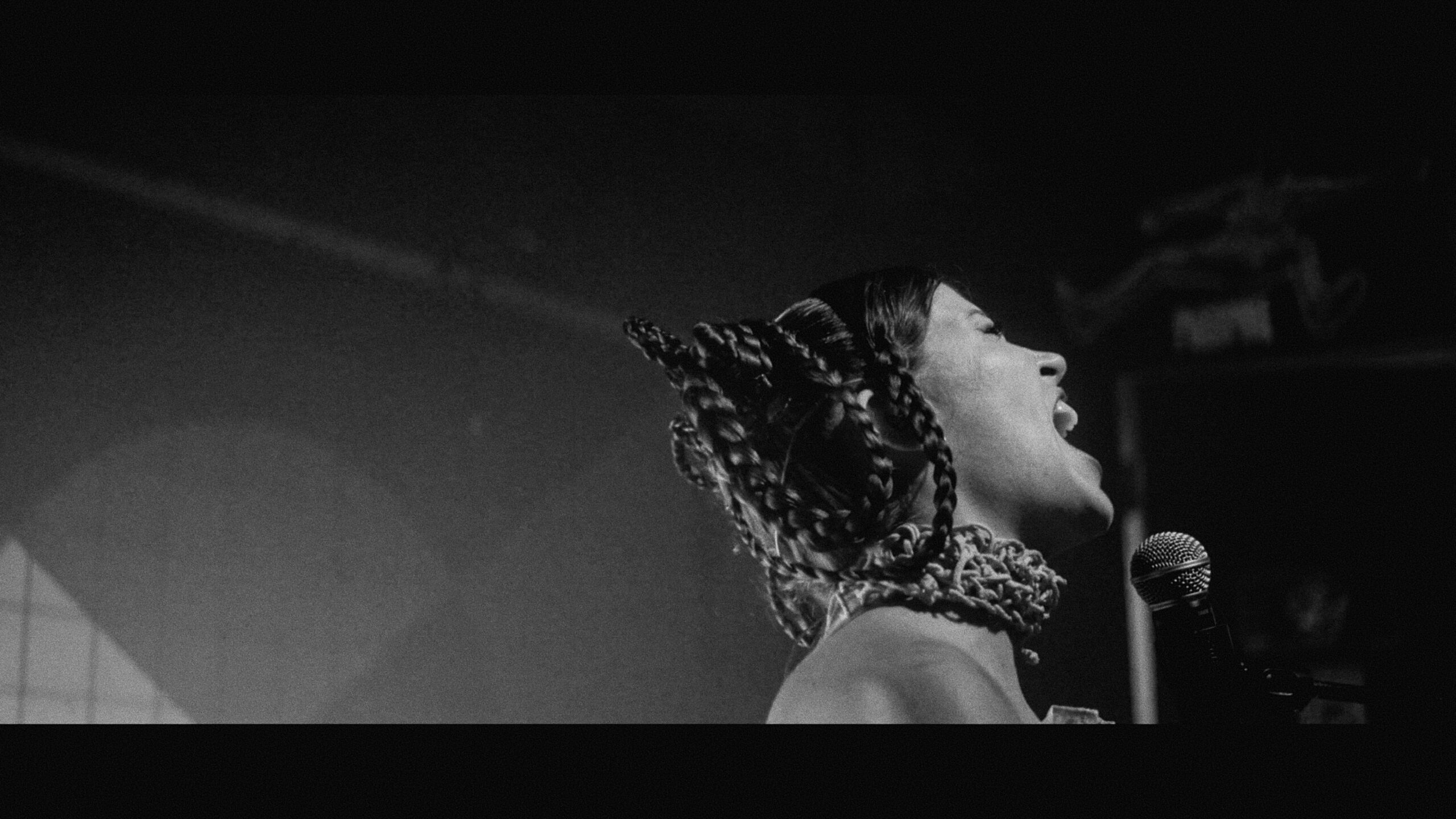
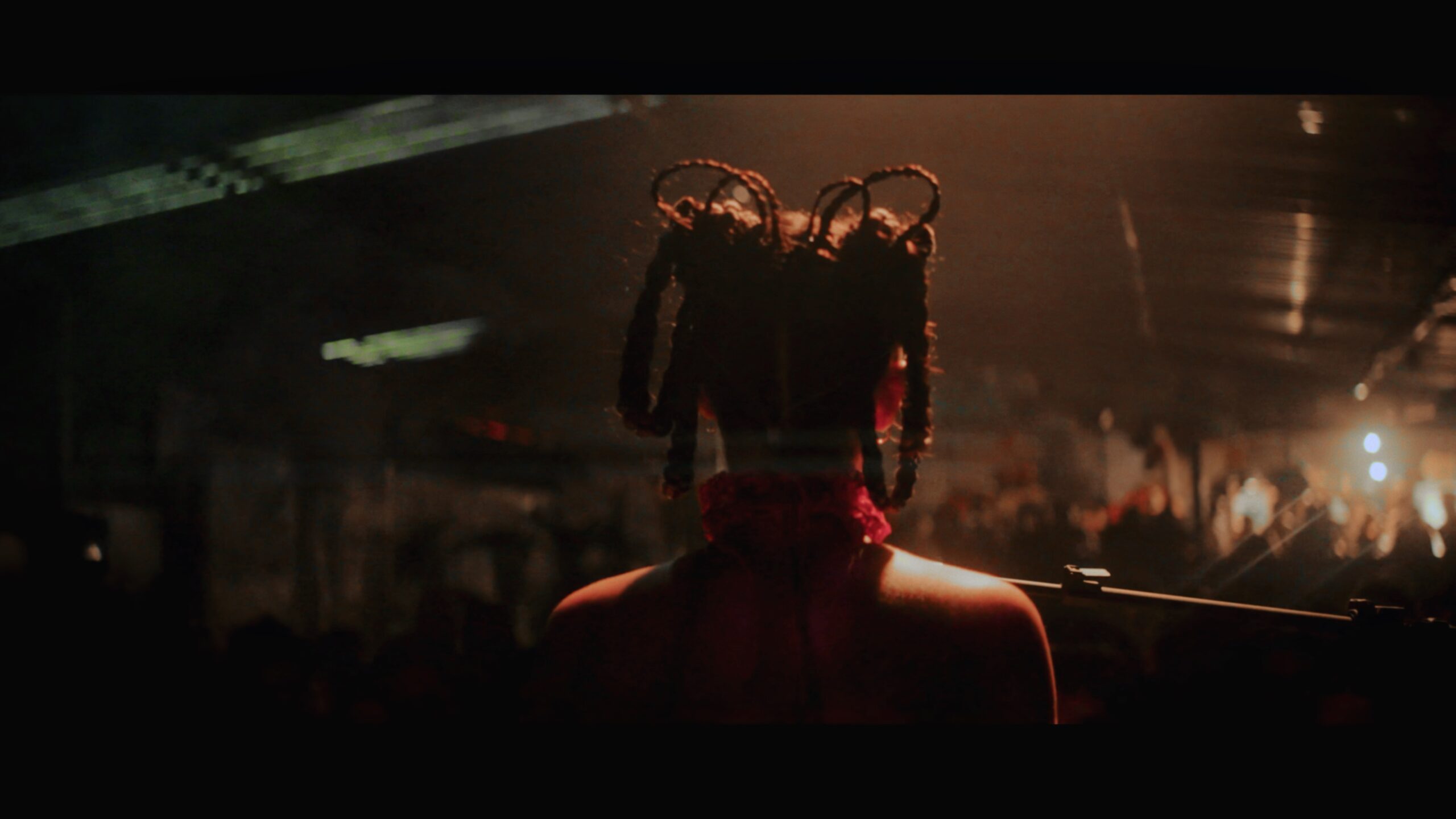
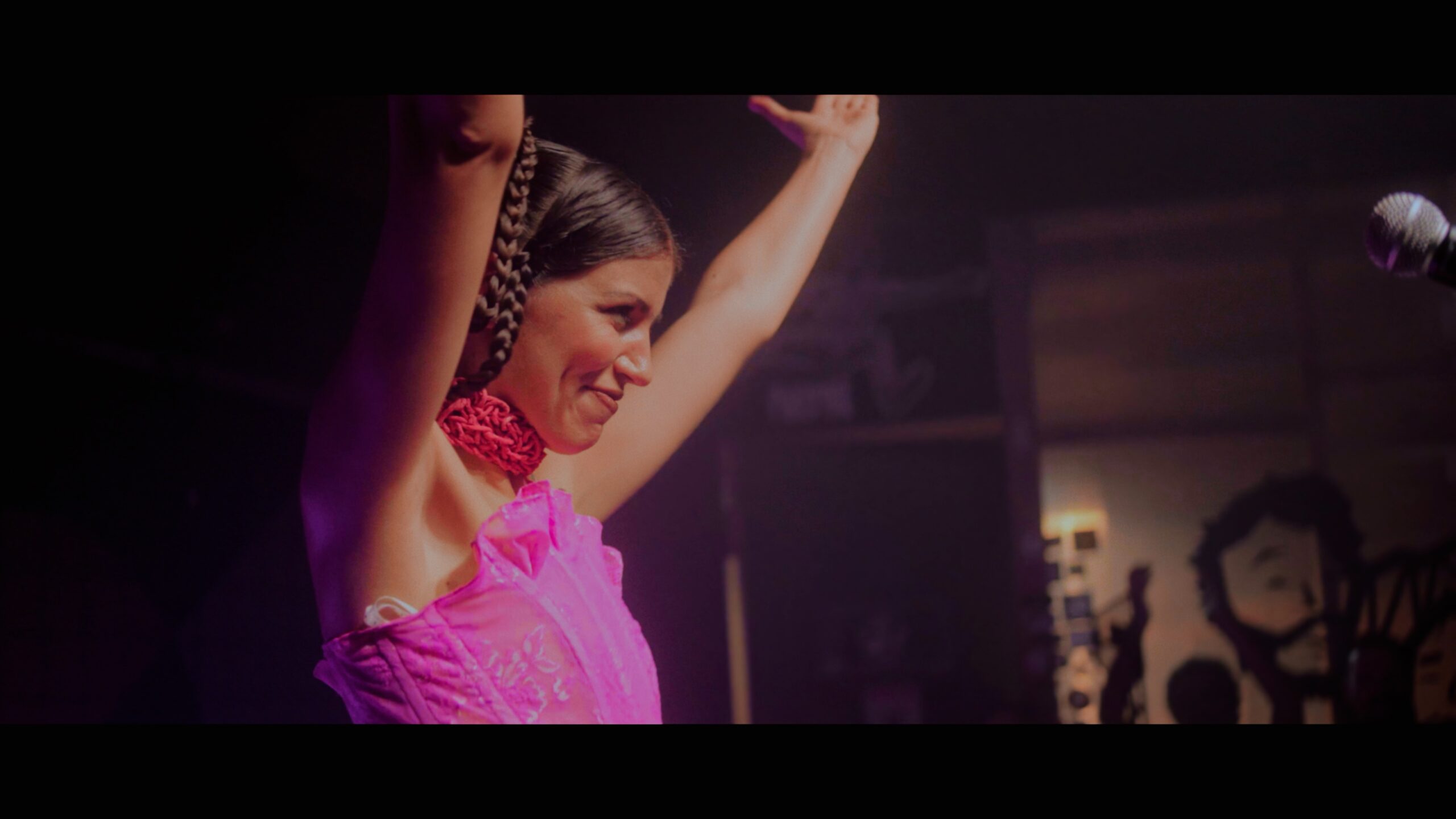
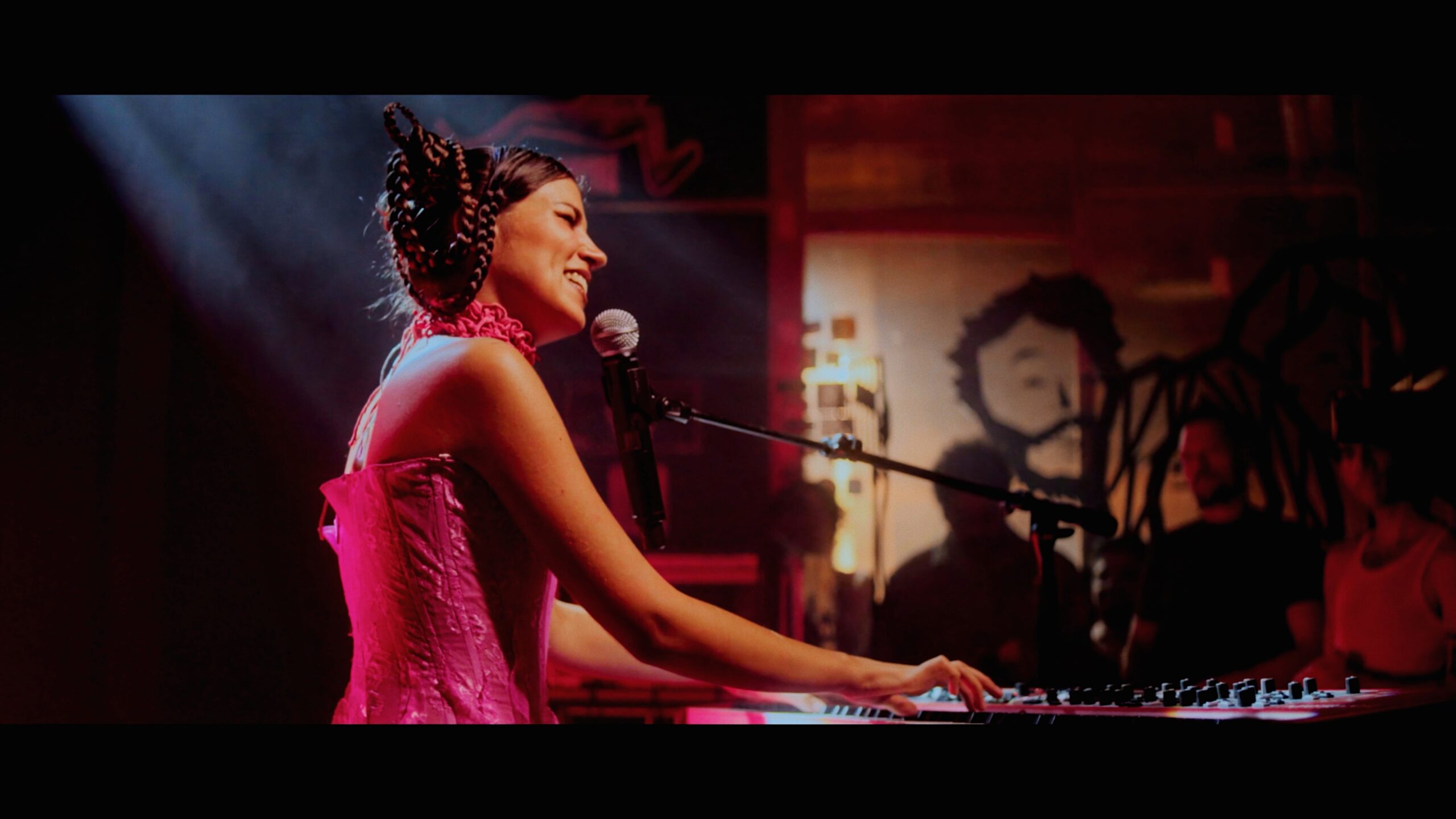
Marina Herlop live at Novas Frequências
Marina Herlop’s music and composition is where classical discipline fractures into digital glitch, transforming the human voice, which is usually used in music as a way to story tell or narrate, into a polyphonic instrument of vocal texture. By dissolving intelligible language into a self-invented syntax of phonemes, she assembles dense, rhythmic cycles that resonate with both ancestral echoes and futuristic precision. Her music—a meticulously engineered collision of piano, percussive vocal loops, and surgical electronic production—bypasses traditional narrative to speak through the physics of sound, functioning as a breathing score of frequency and form.
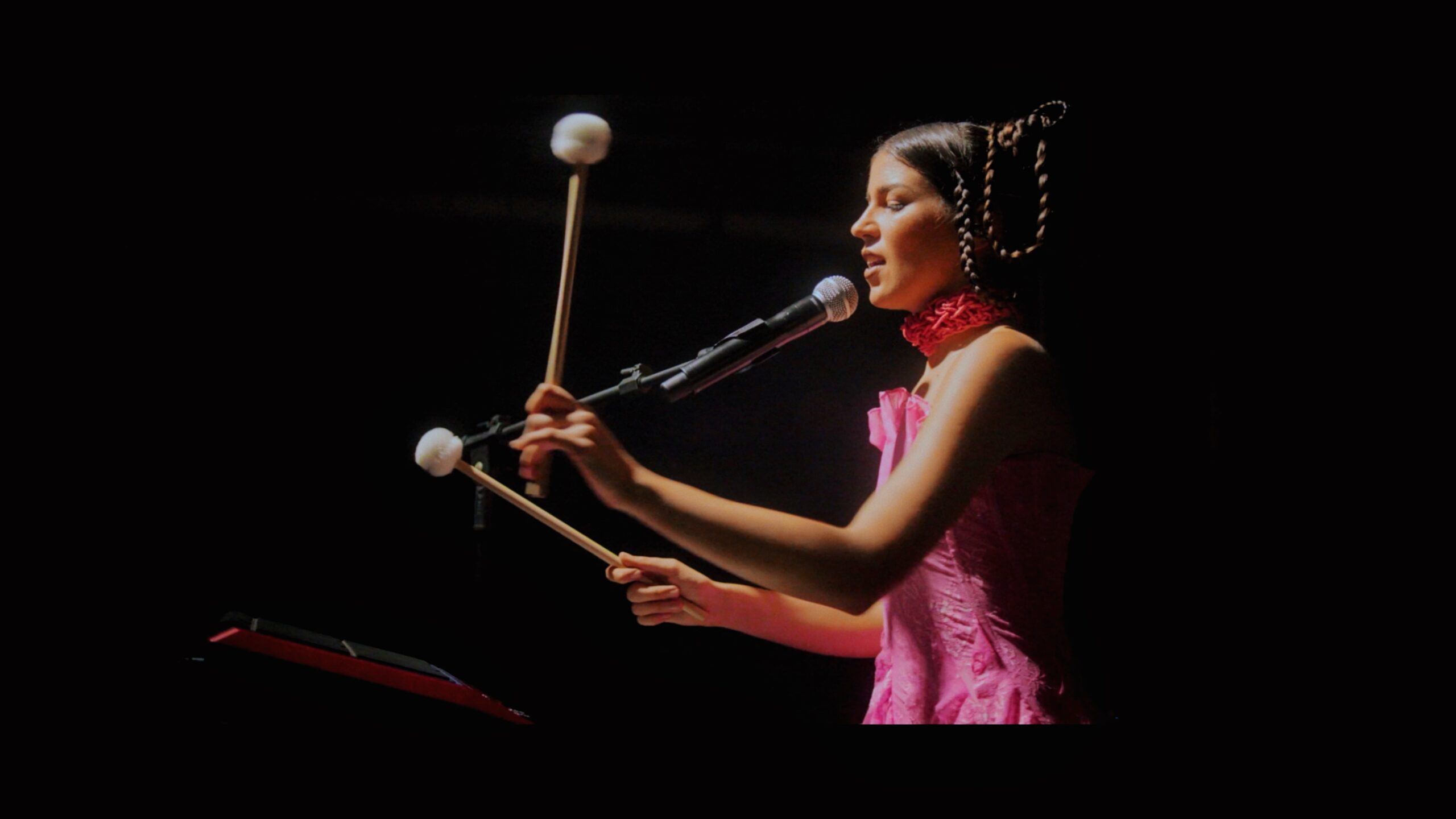
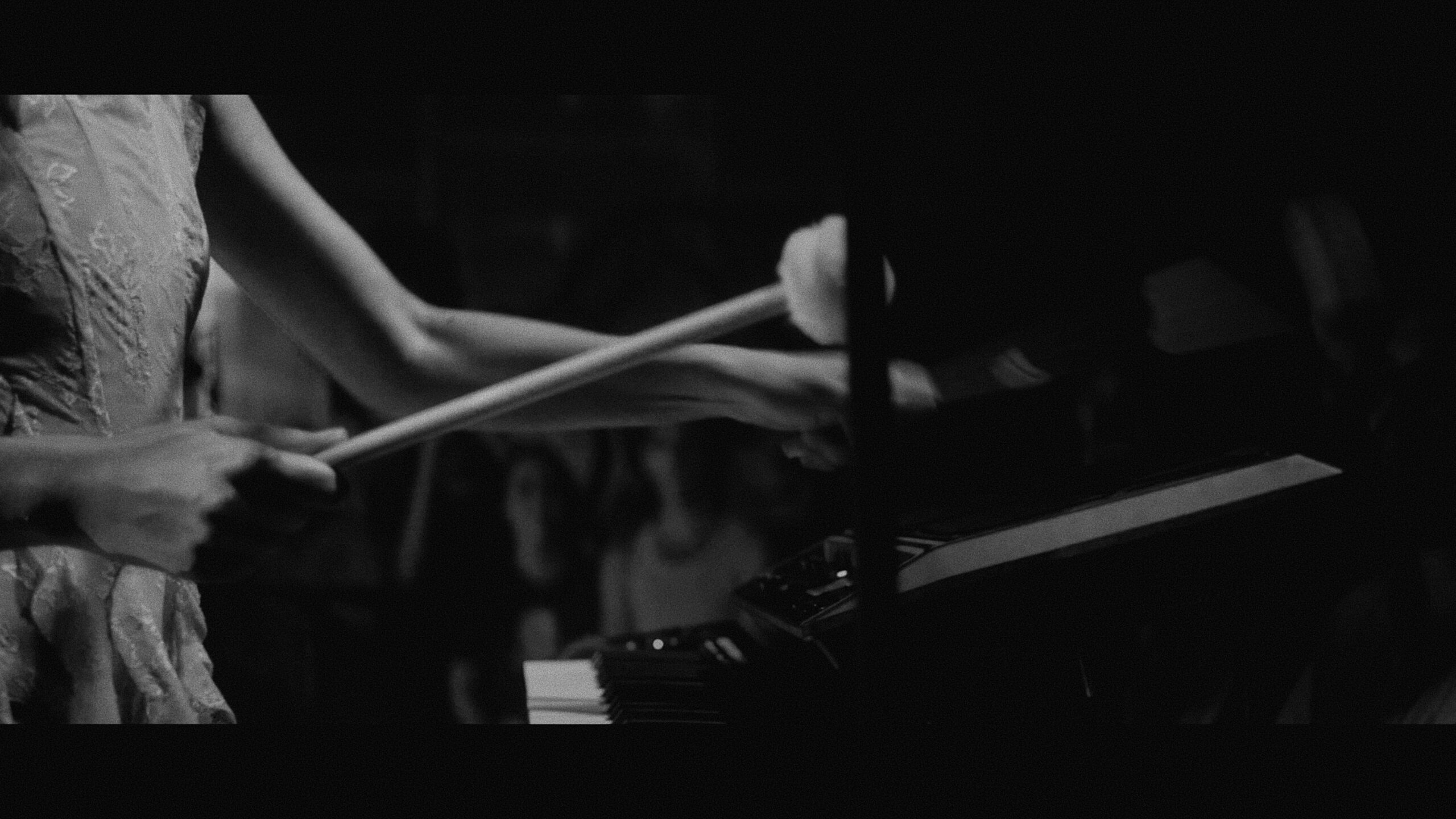
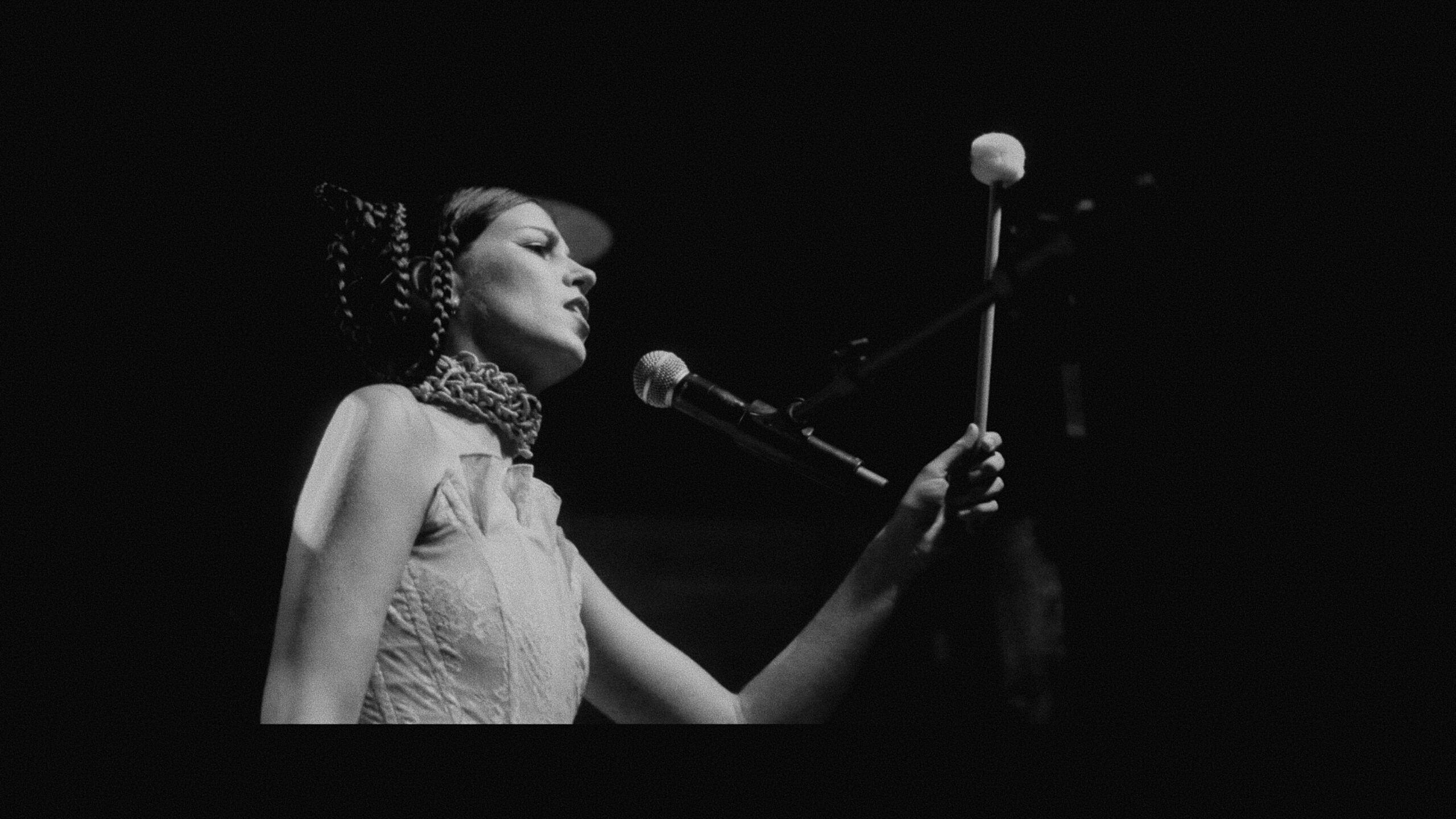
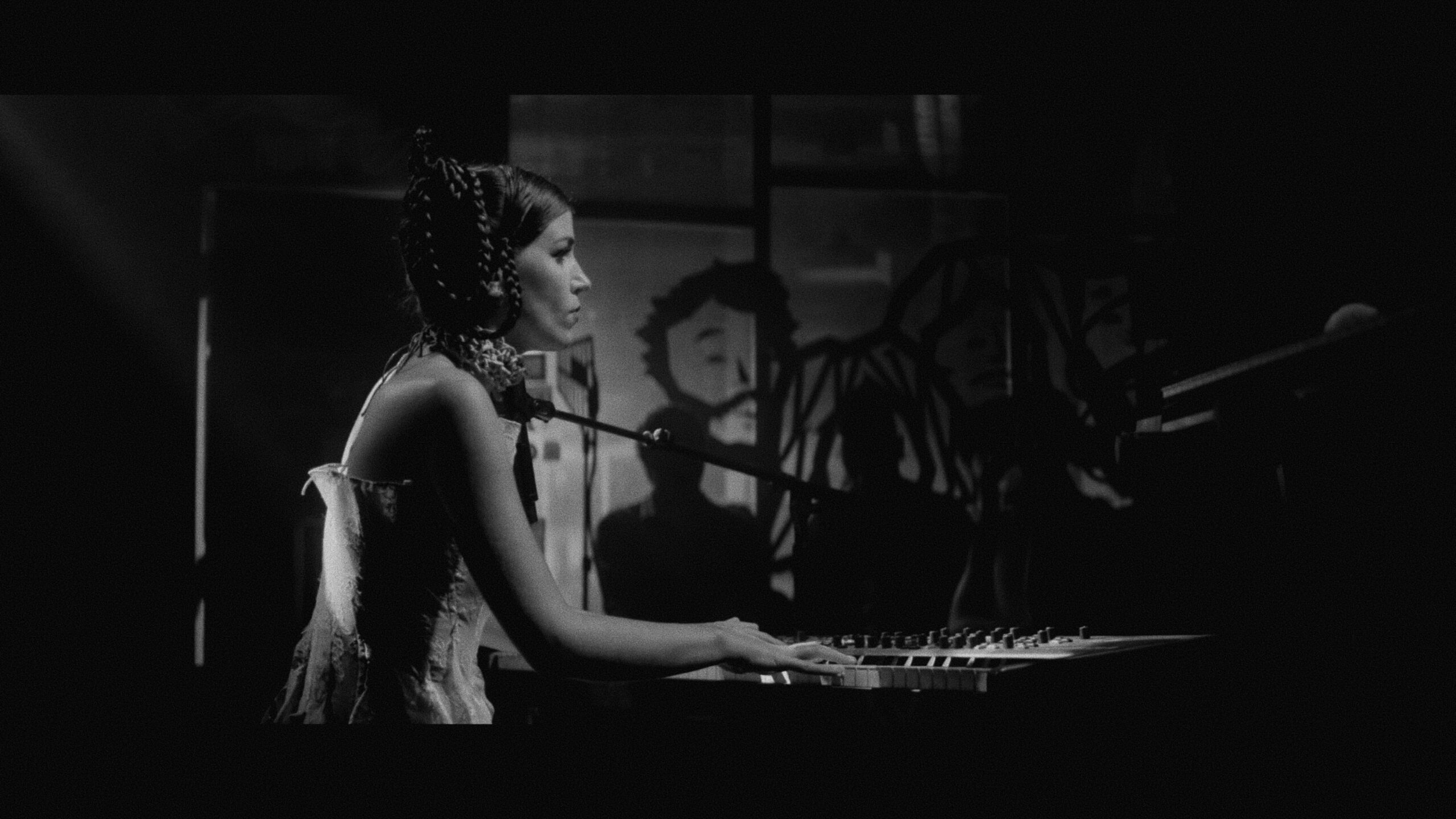
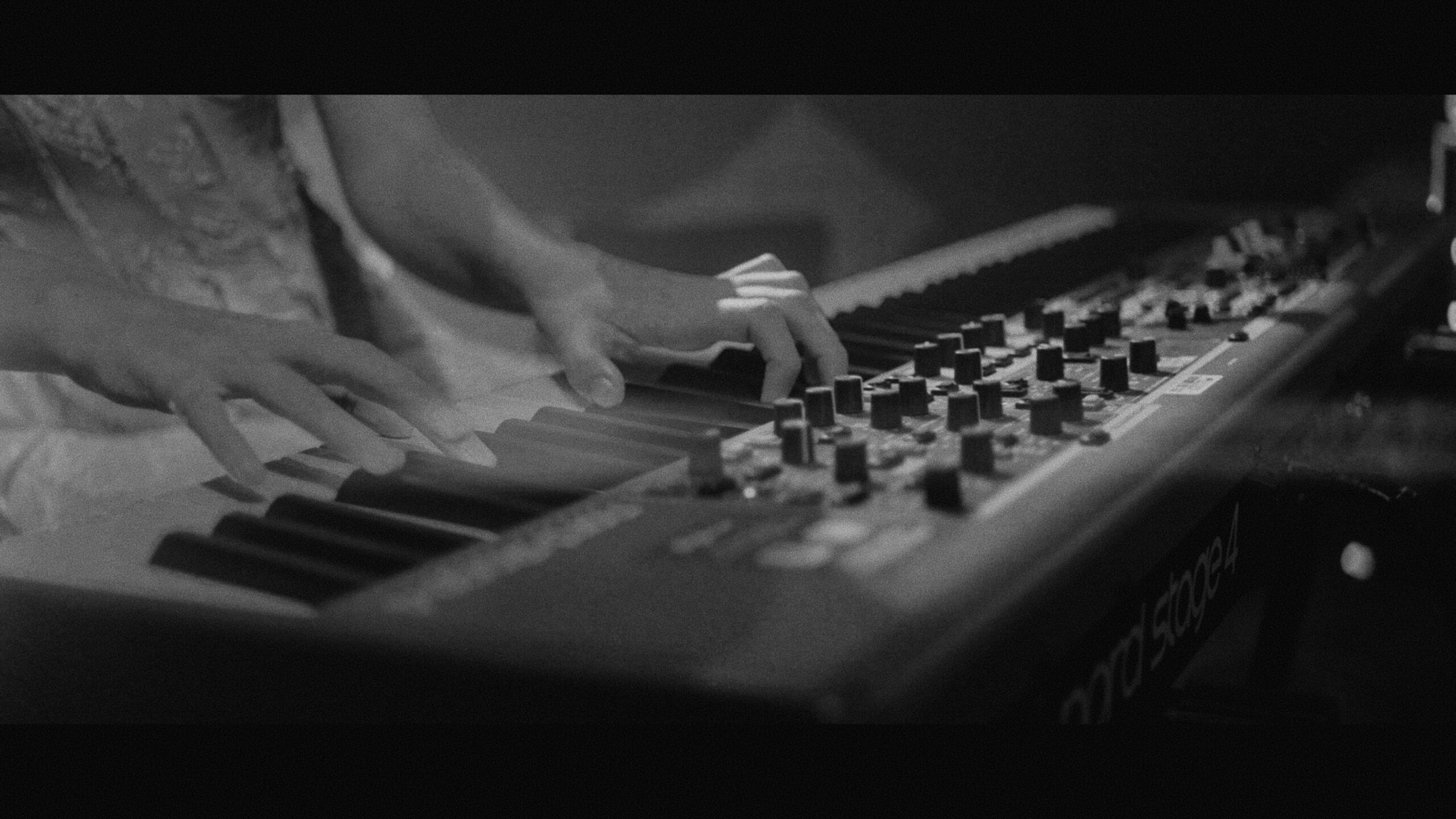
In this live performance at Brazil’s foremost experimental music festival, Novas Frequências, Herlop strips back the layers to perform a vivid demonstration of modern multi-instrumentalism in this special solo set at Rio’s Galpão Ladeira das Artes. The film documents the technical demand of her process, capturing the precision required to balance live piano transients with the rigorous, programmed talas of her recent compositions. It is a study in focused multi-instrumentalism, where Herlop manages every element of the arrangement—bridging acoustic resonance and synthesized percussion in real-time—to maintain the structural integrity of her work in a live environment.
The Invention of Language
Herlop’s present sound is defined by a rejection of traditional narrative in favour of pure aesthetic impact. She largely avoids intelligible lyrics, opting instead for a self-invented syntax of phonemes and syllables chosen solely for their texture and frequency.
She treats the voice as a rhythmic modular synth. These "words" are chopped, layered, and panned into complex lattices that bypass the listener's intellect and speak directly to rhythm and emotion. For Herlop, music isn’t a story to be told; it is a composition to be built—self-contained, resistant, and completely indifferent to the constraints of translation.
The Solo Engineer: Process and Production
What makes the performance captured in this film so striking is the sheer autonomy of the execution. Herlop is a multi-instrumentalist who produces most elements in her music with collaborations along the way. On stage, she operates as a one-person orchestra, navigating the keys, vocal loops, and drum pads simultaneously.
While the 2022 album Pripyat relied on a dense, often claustrophobic layering of vocal glitches and darkened harmonic shifts, Nekkuja (2023) signals a shift toward a more expansive and high-frequency sonic palette. The production on the latter is marked by a sharper percussive attack and the integration of environmental field recordings like water and birdsong, that are processed with the same rhythmic volatility as her synthesized beats. Rather than serving as ambient background, these sounds act as active tonal components within her complex arrangements.
The Foundation of Discipline
This radical experimentation is anchored by a deep-seated structural discipline. Before she was an electronic pioneer, Herlop was a classically trained pianist. Having spent years immersed in the Western canon, mastering the works of artists like Chopin and Debussy, she carries a "classical skeleton" beneath the skin of her complex electronic production. This technical rigour is what allows her to subvert harmonic expectations with such precision; it’s a technical mastery that allows her to bend the architecture of her music until it reaches a beautiful, uncanny edge.
You can listen to ‘Nekkuja’ here and follow Marina @marinaherlop.
Lighting by Camille Laurent
Special thank you to the whole Novas Frequências team, Chico Dub, Natália Lebeis and Galpäo Ladeira das Artes.